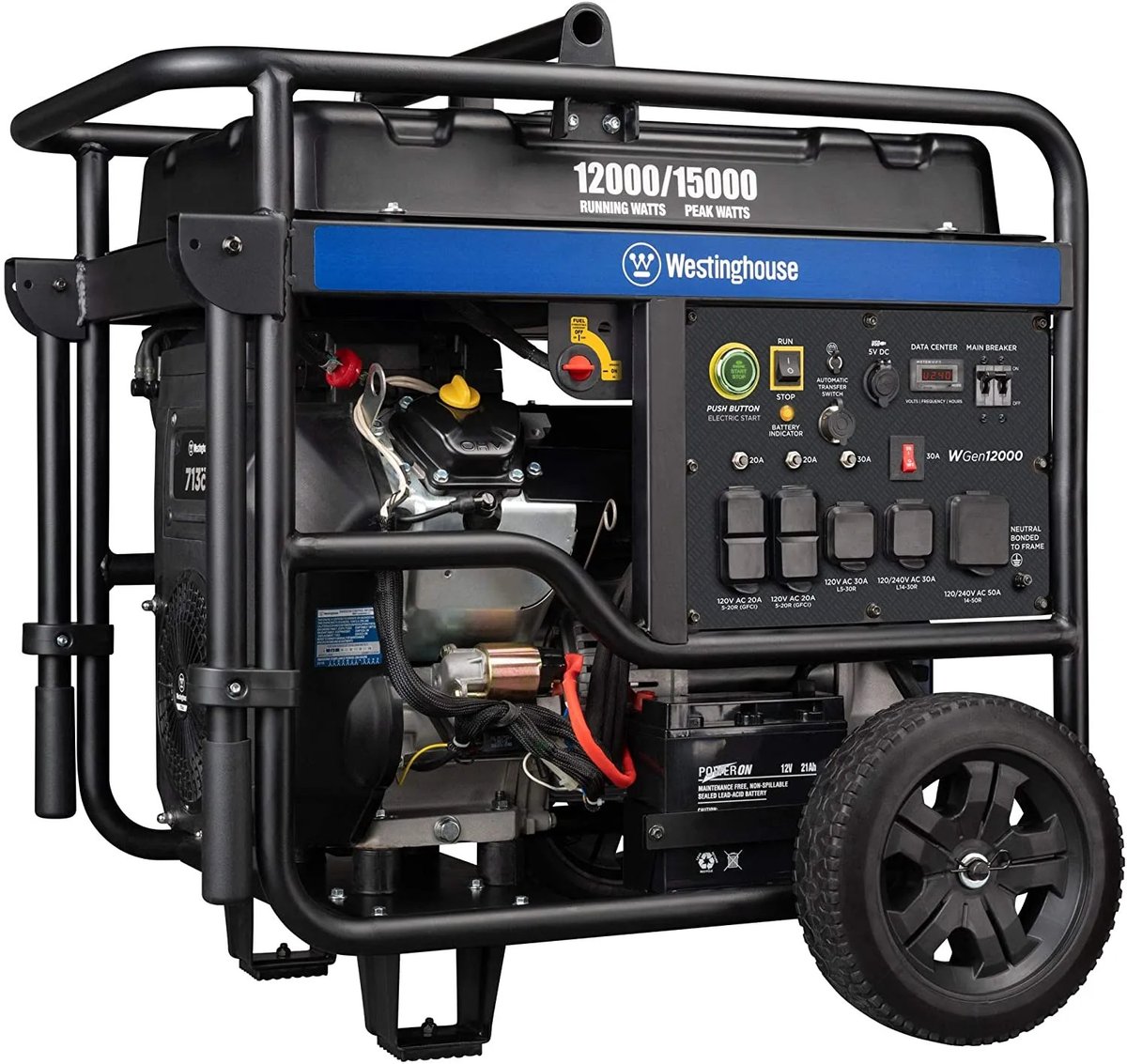
In today's interconnected world, a sudden power outage can disrupt more than just your evening plans. From essential medical equipment and refrigerated food to critical communication and heating or cooling, reliable electricity is no longer a luxury—it's a necessity. This is precisely why more homeowners are investing in generators, ensuring their peace of mind and the uninterrupted flow of daily life.
Why Every Home Needs Reliable Backup Power
Imagine a severe storm knocking out power for days, or an unexpected grid failure leaving you in the dark. A home generator isn't just about convenience; it's about security, comfort, and protecting your most valuable assets. It keeps your lights on, your food fresh, and your family safe, making temporary outages feel like minor blips rather than major crises.
Unlocking the Right Power Solution: Exploring Home Generator Types
The market offers a diverse range of generators, each designed to meet specific needs, from powering a few crucial appliances to running your entire household. Understanding these distinctions is the first step toward making an informed decision about your backup power. Whether you're looking for an automatic system that kicks in seamlessly or a portable unit for versatile use, there's a generator type built for you.
- Home Standby/Whole House Generators: These are the titans of home power, automatically detecting outages and providing continuous electricity for your entire home with minimal interruption. They're permanently installed and offer the ultimate in convenience and peace of mind.
- Backup Generators: Requiring manual startup, these units are excellent for powering selected appliances and circuits, offering a cost-effective solution for essential needs during an outage.
- Inverter Generators: Known for being lightweight, quiet, and highly portable, inverter generators are perfect for sensitive electronics, tailgating, or RV camping. They often run on gas or liquid propane and deliver clean, stable power.
- Solar/Wind Generators: As quiet, portable power stations, these options generate free electricity and are incredibly environmentally friendly. They avoid toxic fumes, can be used indoors after charging outdoors, and some even integrate with your home electrical system.
- Conventional Portable Generators: These versatile units are a go-to for backup power or even powering tools at a job site. They offer a balance of power and portability for various applications.
To dive deeper into the specific advantages and ideal uses for each option, you'll want to Explore Home Generator Types thoroughly.
Powering Your World: Sizing and Selecting Your Ideal Home Generator
Once you understand the types, the next critical step is determining how much power you actually need. Generators are rated by wattage, and choosing the right size ensures you're neither overspending on unnecessary capacity nor left wanting for more power during an emergency. Your selection hinges on identifying which appliances and systems are truly essential to keep running.
For basic tailgating or minimal power needs, a generator between 500 to 1,000 watts might suffice. If your goal is to power crucial appliances like refrigerators, sump pumps, and a few lights during an outage, you'll likely need 5,000 to 7,000 watts. For whole-home power, especially with larger appliances like air conditioners or electric water heaters, a home standby generator with at least 10,100 watts (or significantly more) is often recommended. Remember, large appliances consume far more watts than smaller ones, so an accurate assessment is key. For comprehensive guidance on calculating your power needs and making the best selection, be sure to View Sizing and Selection Guides.
The Fuel Factor: Understanding Generator Fuel Types
Beyond wattage and type, the fuel source for your generator is a significant consideration impacting convenience, cost, and availability. Options primarily include gasoline, propane, and natural gas. Each has its pros and cons regarding storage, efficiency, and environmental impact.
- Gasoline generators are common and relatively inexpensive upfront but require fuel storage and can have shorter run times.
- Propane generators offer cleaner burning fuel with longer shelf life than gasoline, often stored in tanks.
- Natural gas generators connect directly to your home's gas line, offering unlimited run time during an outage, though they require professional installation.
- For ultimate flexibility, dual-fuel and tri-fuel generators can switch between multiple fuel sources, providing peace of mind even if one fuel type becomes scarce.
Safe Power: Installation, Operation, and Best Practices
Safety is paramount when operating any home generator. Improper installation or use can lead to serious hazards, including carbon monoxide poisoning and electrical accidents. Always prioritize professional installation for standby units and meticulously follow manufacturer guidelines for all types.
- Carbon Monoxide Prevention: Generators must never be operated indoors or in enclosed spaces. Equip your home with battery-powered CO sensors and always position the generator a safe distance from windows and doors.
- Transfer Switches: For connecting a generator to your home's electrical system, a transfer switch is essential. Manual transfer switches require you to turn off the main breaker to prevent backfeeding the grid, while automatic transfer switches handle this seamlessly. Always refer to the transfer switch documentation.
Ensuring your generator is set up and used correctly is non-negotiable for safety and optimal performance. To learn more about critical safety measures and installation protocols, Ensure safe installation practices by consulting our detailed guide.
Longevity and Reliability: Generator Maintenance and Troubleshooting
A generator is an investment in reliability, but like any complex machinery, it requires regular care to perform optimally when you need it most. Neglecting maintenance can lead to frustrating breakdowns precisely when you're relying on it during an outage.
- Routine Checks: This includes regularly checking oil levels, spark plugs, air filters, and fuel stability.
- Load Testing: Periodically running your generator under a load helps ensure it's ready for action and prevents fuel stagnation.
- Professional Servicing: Annual professional check-ups can catch potential issues before they become major problems.
Don't wait until an emergency to find out your generator isn't working. Proactive maintenance is key. If you encounter an issue, our guide will help you Fix your generator issues now Keep it running smoothly.
Making the Smart Choice: Top Home Generator Brands and Reviews
With a clear understanding of generator types, sizing, fuel, and safety, you're now ready to explore the market's leading contenders. The reputation and reliability of the manufacturer play a significant role in your long-term satisfaction and the availability of parts and service.
Many reputable brands offer a range of options, from robust whole-house systems to versatile portable units, each with unique features and warranty specifics. Researching customer reviews and expert ratings can provide invaluable insights into real-world performance and dependability. To help you navigate the vast array of choices and find a generator that aligns with your needs and budget, explore our curated list of the Best home generator brands Top home and comprehensive reviews.
Investing in a home generator is a proactive step toward safeguarding your family, home, and comfort against the unpredictability of power outages. By taking the time to understand your options, assess your needs, and prioritize safety, you're not just buying a piece of equipment; you're investing in reliable backup power and the ultimate peace of mind. Prepare today, stay powered tomorrow.