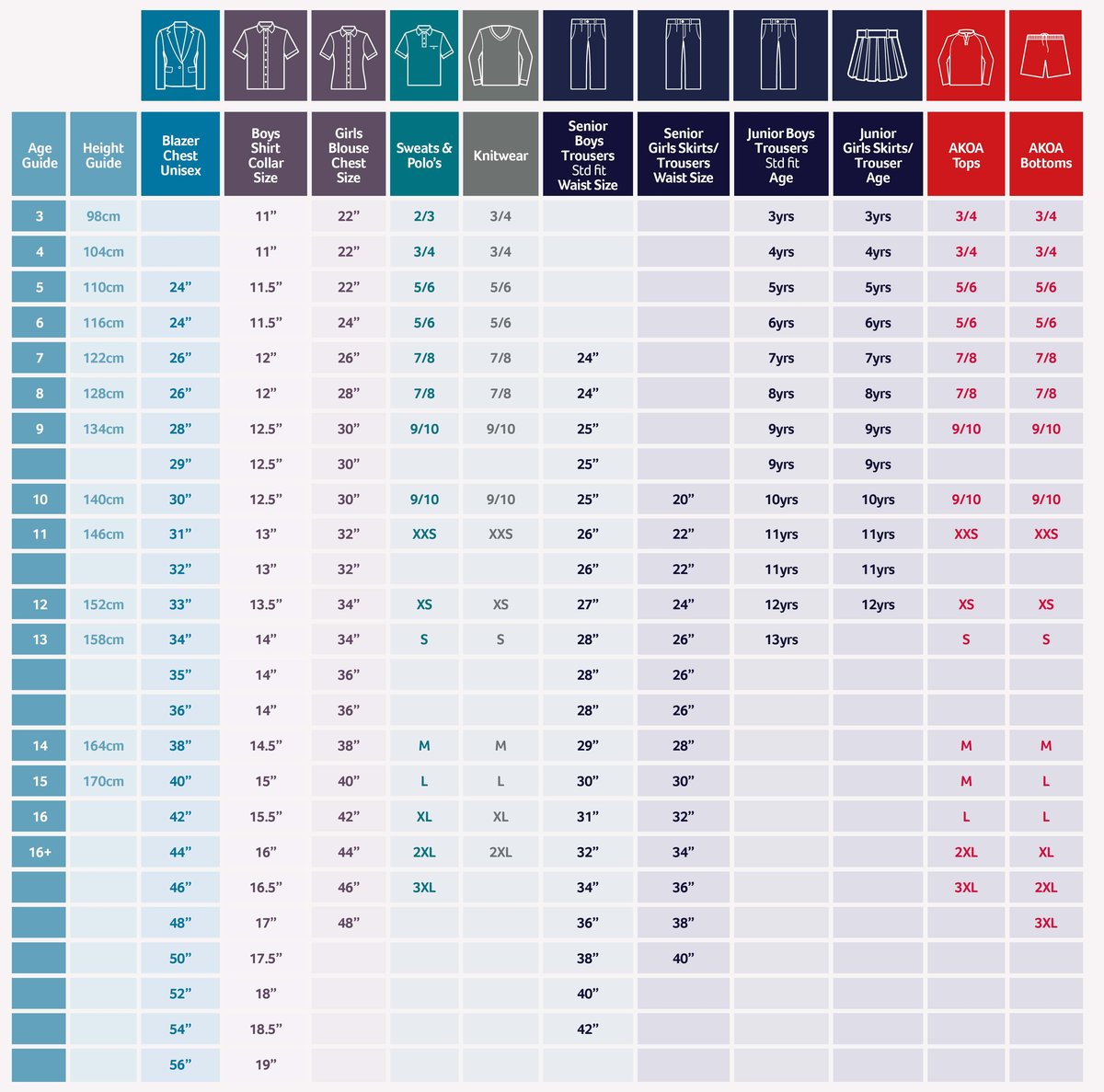
Few things are more universally frustrating than the quest for clothes that actually fit. You’ve envisioned the perfect outfit, clicked “add to cart,” or perhaps even braved the fitting room, only to be met with disappointment. Too tight here, too loose there, or simply... off. It's a scenario that has plagued shoppers for generations, but thanks to modern Sizing and Selection Guides, the days of ill-fitting garments and endless returns are rapidly becoming a relic of the past. Imagine a world where every item you buy feels custom-made for your unique body. That world is now within reach, powered by smart tools and a little bit of know-how.
At a Glance: Your Blueprint for a Perfect Fit
- Sizing is Wildly Inconsistent: No two brands are exactly alike, and international sizing adds another layer of complexity.
- Your Body Changes: Re-measure yourself regularly (every 6-12 months or when clothes fit differently).
- Size Calculators are Gold: These online tools demystify sizing, reduce returns, and boost shopping confidence.
- Accurate Measurements are Key: Your bust, waist, and hip measurements are the foundation for success.
- When in Doubt, Size Up: Especially for shoes and bras, if you're between sizes, prioritize comfort.
- Consider Fabric & Fit: A knit sweater fits differently than a rigid denim jean. Your preferred style matters.
- Brand Charts are Your Friend: Always cross-reference with the specific brand's size chart, particularly for specialty items.
The Sizing Maze: Why "Medium" Means Something Different Everywhere
It’s not just you. The bewildering landscape of clothing sizes is a shared experience, a testament to the lack of universal standards in the fashion industry. A "medium" from one brand can feel like a "small" from another and a "large" from a third. This isn't random; it's a deliberate choice by brands to cater to their specific target demographics and aesthetic preferences.
European brands, for instance, are often cut slimmer and can run smaller than their US counterparts, sometimes requiring you to go up a size or two. Asian brands take this a step further, frequently running 1-2 sizes smaller than typical Western sizing. Understanding these regional nuances is the first step in demystifying the sizing process and why a good guide is so essential.
Beyond brand-specific quirks, your own body is a dynamic canvas. Weight fluctuations, the natural effects of aging, and even subtle lifestyle shifts (like starting a new fitness routine) can subtly—or dramatically—alter your measurements. What fit perfectly six months ago might not today. This isn't a problem; it's just a reality. That’s why the experts recommend re-measuring your body every 6-12 months, or whenever you notice your clothes aren't quite fitting like they used to. Ignoring these changes is a surefire way to end up frustrated with your wardrobe.
Your Secret Weapon: The Modern Clothing Size Calculator
For decades, we relied on a tape measure and a prayer. Today, the game has changed. Enter the clothing size calculator: an indispensable online tool that translates your precise body measurements into accurate size suggestions across a multitude of brands and regions. Think of it as your personal sizing assistant, always on call.
Why It's a Game-Changer
The benefits of integrating a size calculator into your shopping routine are profound. First and foremost, it drastically reduces the risk of incorrect sizes. No more ordering three different sizes just to find one that might work, only to return the other two. This directly translates into fewer returns and exchanges, saving you precious time, shipping costs, and the general hassle of post-purchase logistics. More importantly, it boosts your shopping confidence, allowing you to click "buy" with the assurance that what's heading to your doorstep will actually fit.
This technology directly tackles the pervasive problem of inconsistent sizing. That "Medium" that varies so wildly from one retailer to the next? A good calculator cuts through the confusion by cross-referencing your measurements against each brand’s unique specifications. When you’re venturing into international shopping, the calculator becomes even more invaluable, effortlessly converting your measurements between disparate regional systems like US, UK, and EU sizing. It automates what was once a tedious, error-prone task, freeing you to focus on style, not stress.
Master the Art of Measurement: Your Foundation for Fit
The sophistication of any sizing tool is only as good as the data you feed it. Your body measurements are the absolute bedrock of accurate sizing. Skimp here, and you’ll undermine the entire process. Don’t worry, it’s not rocket science, but it does require a little precision.
Getting it Right, Every Time
Here’s how to capture the core measurements that most clothing size calculators rely on:
- Bust: Wrap the tape measure around the fullest part of your bust. Ensure the tape is level all the way around, snug but not tight enough to compress.
- Waist: Find the narrowest part of your waist, which is typically just above your belly button. Wrap the tape measure around this point, keeping it level and comfortably snug.
- Hips: Stand with your feet together. Measure around the widest part of your hips and rear, usually about 7-9 inches below your natural waistline. Again, keep the tape level and snug.
Expert Tips for Accuracy
- Use a Mirror or Get Assistance: Measuring yourself in front of a full-length mirror can help ensure the tape measure stays level. Even better, ask a friend or family member for help; an extra set of eyes makes a big difference.
- Wear Light Clothing: Avoid bulky sweaters or restrictive undergarments that could distort your measurements. A thin t-shirt and underwear are ideal.
- Breathe Naturally: Don't suck in your stomach or puff out your chest. Stand relaxed and breathe normally.
- Measure Multiple Times: If you’re unsure, take each measurement two or three times and average the results.
Step-by-Step: Using a Size Calculator Like a Pro
Once you have your accurate measurements, using a size calculator is straightforward. Think of it as a four-step journey from raw data to a perfect fit recommendation.
From Measurement to Recommendation
- Input Your Measurements: Take those precise bust, waist, and hip numbers and carefully enter them into the calculator’s designated fields. Some advanced calculators might ask for more details, like inseam or shoulder width.
- Select Your Target Brand or Region: This is where the magic happens. Specify whether you're shopping from a US brand, a European label, or perhaps looking for an item with UK sizing. Many calculators also allow you to select a specific brand, tapping into their unique sizing charts.
- Get Your Size Recommendation: With your data and preferences locked in, the calculator crunches the numbers and instantly provides a size suggestion tailored to that brand or region.
- Apply Your Results: Use this recommendation when making your purchase. It's often helpful to jot down your recommended sizes for different brands or regions as you go.
Navigating In-Between Sizes
What happens when you find yourself right on the cusp between two sizes? This is a common scenario, and your choice depends largely on your personal comfort and style preferences.
- Size Up for Comfort: For items like shoes, bras, or anything where a relaxed fit is preferred (think loungewear or a cozy sweater), generally sizing up is the safer bet. This avoids uncomfortable pinching or restricted movement. You can always [explore different fabric types](placeholder_link slug="understanding-fabric-types" text="explore different fabric types") to see how material might influence your decision, as some fabrics have more stretch or drape than others.
- Size Down for a Tailored Fit: If you're looking for a sharp, form-fitting silhouette – perhaps a blazer, a pencil skirt, or a tailored dress – opting for the smaller size might achieve that desired snug, custom look. Just ensure it doesn't feel restrictive.
When to Re-Measure
As mentioned, your body isn't a static sculpture. Life happens! Whether it's due to significant weight fluctuations, muscle gain from a new workout regimen, or even the subtle shifts that come with aging, your measurements will change. Make it a habit to update your size profile in your chosen calculator every time you re-measure. This proactive approach ensures your recommendations remain accurate and relevant, keeping you one step ahead in the pursuit of a flawless fit.
Deeper Dive: The Size Wise™ Closet Coach
While many generic sizing calculators offer a solid foundation, specialized tools like the Size Wise™ Closet Coach Size Calculator take personalization to the next level. These platforms are designed for the truly dedicated shopper seeking unparalleled accuracy and a seamless experience.
A Personalized Approach
Using a dedicated platform like Size Wise™ involves a few additional steps that significantly enhance the precision of your sizing recommendations:
- Create Your Account: Begin by setting up a personal profile at www.sizewiseclosetcoach.com (or similar dedicated platform). This creates a secure place to store and manage your unique measurements.
- Watch Tutorials: Before grabbing that tape measure, take the time to watch any provided video tutorials. These often offer invaluable visual guidance for accurate self-measurement, covering not just bust, waist, and hips, but potentially more detailed metrics like height, head circumference, neck, shoulders, arm length, and chest. The more data you provide, the more precise the tool can be.
- Capture Your Exact Measurements: Follow the tutorials meticulously to measure all specified body parts. Input these detailed measurements into your profile with care. This granular data allows the system to build a comprehensive 3D profile of your body, which is critical for complex garment fitting.
- Save and Update Your Profile: Once complete, save your profile. The real power of such a system lies in its ability to adapt. Whenever your body changes – due to diet, exercise, or natural shifts – log back in and update your profile. This ensures your virtual "closet coach" always has the most current information.
The Promise of Perfect Fit
The accuracy of such advanced size calculators hinges on two critical factors: your precise body measurements and your diligence in following guided tutorials. By investing a little time in these initial steps, you unlock a powerful capability. These calculators can handle complex international size conversions for a vast array of regions and brands, offering recommendations that feel truly bespoke. The result? A wardrobe filled with confidence and comfort, where every item feels like it was made just for you.
Beyond the Numbers: Nuances of Perfect Selection
While accurate measurements and smart calculators are foundational, truly mastering sizing and selection means looking beyond just the numbers. Several other factors play a crucial role in how a garment ultimately fits and feels.
Fabric Matters
The material composition of a garment dramatically influences its drape, stretch, and overall fit. A knit fabric, for example, will typically offer more give and stretch than a woven fabric. A rigid denim will fit very differently from a stretch denim, even if the measurements are identical. When making your selection, take a moment to consider the fabric type; it can often guide your sizing decision, especially if you're between sizes. Understanding how different materials behave can help you predict how an item will wear and move on your body.
Style and Fit Preferences
Do you prefer a relaxed, oversized look, or do you gravitate towards a sleek, tailored silhouette? Your personal style and preferred fit are just as important as your measurements. A "slim fit" shirt will naturally feel snugger than a "classic fit" shirt, even if both are technically your size. Always consider the garment's intended fit descriptor (e.g., slim, regular, relaxed, athletic) alongside your calculated size. This allows you to intentionally choose a size that aligns with your desired aesthetic and comfort level.
Specialty Items: When to Double-Check
Some items demand extra attention to detail. For specialty garments like formalwear, swimwear, or especially bras, relying solely on a generic size calculator might not be enough. These items often have unique construction, specialized support features, or very specific fit requirements that generic measurements can't fully capture.
For example, when it comes to bras, the band size and cup size are interconnected, and a slight difference in breast shape or projection can affect the ideal fit. It’s highly recommended to consult the specific brand's size chart for these items, and if possible, read customer reviews about fit. Taking the time to [understand why a proper bra fitting matters](placeholder_link slug="the-importance-of-proper-bra-fitting" text="understand why a proper bra fitting matters") can save you discomfort and disappointment. Similarly, swimwear needs to be secure yet comfortable, and formalwear often requires precise tailoring to look its best. These categories are where a brand’s specific chart becomes your ultimate authority.
Online Shopping Savvy
With the rise of e-commerce, shopping for clothes has never been easier, but it also comes with its own set of challenges. When you can’t physically try something on, having solid sizing information is paramount. Always check product descriptions for notes on fit ("runs small," "true to size," "generous fit"). Look for photos of the item on different body types if available. Customer reviews can also provide invaluable insights into how a garment actually fits in real life. Becoming [get smart about online shopping](placeholder_link slug="tips-for-online-shopping" text="get smart about online shopping") for clothes means combining your measurements with all available textual and visual cues.
Common Questions About Sizing, Answered
Navigating the world of sizing can spark many questions. Here are some of the most frequent ones, answered directly:
"My sizes are different every time I measure – why?"
Slight variations are normal. Your body can fluctuate throughout the day due to hydration levels, bloating, or even just posture. Ensure you’re measuring at a consistent time (e.g., first thing in the morning) and always using the same technique. If the differences are significant, re-check your method and consider seeking assistance for accurate measurements.
"What if the brand's chart contradicts the calculator?"
Always prioritize the specific brand's size chart, especially for unique items or if you know that brand has a very particular fit philosophy. While calculators are excellent for general guidance and conversions, the brand's chart is the definitive source for their garments. Use the calculator as a robust starting point, then fine-tune with the brand's information.
"Is a sizing guide really necessary for every purchase?"
For foundational items, new brands, or online shopping, absolutely. For familiar brands where you already know your size, perhaps not always. However, given that body measurements can change, a quick check-in with your measurements and a calculator can prevent costly returns and ensure ongoing satisfaction. It’s a good habit to maintain, like any other routine maintenance.
"How often should I update my size profile?"
Aim to update your size profile every 6-12 months. However, if you experience significant lifestyle changes (e.g., starting a new fitness routine, weight loss or gain, pregnancy) or simply notice your current clothes fitting differently, update your measurements immediately. Accuracy is key to the calculator’s effectiveness.
Your Confident Closet Awaits: Next Steps for a Flawless Fit
The days of guessing your size are over. With the tools and knowledge now at your fingertips, you possess the power to transform your shopping experience from frustrating guesswork into confident, precise selections. Embracing Sizing and Selection Guides isn't just about avoiding returns; it's about investing in comfort, style, and ultimately, your confidence.
Start today. Grab your tape measure, take those accurate measurements, and find a reliable online size calculator to build your personal size profile. Experiment with different brands, paying close attention to their specific size charts and fit notes. Soon, you'll be navigating the fashion landscape with an ease you never thought possible, knowing that every item you choose is destined to fit beautifully.
Just as you'd make a smart investment in your home by checking out options to [Shop home generators](placeholder_link slug="home-generators-for-sale" text="Shop home generators") for peace of mind, investing a little time in understanding your sizing is an investment in your personal comfort and presentation. A well-fitting wardrobe isn't a luxury; it's a foundation for feeling your best, every single day.